Transcranial Magnetic Stimulation
An FDA-cleared, noninvasive treatment for depression that uses focused magnetic pulses to stimulate the areas of the brain tied to mood regulation, for people who have already tried other approaches and want a different route.
What it helps with
- Depression
- Treatment-resistant symptoms
- PTSD
What to expect
No anesthetic, no sedation
You are awake and can drive yourself home afterward.
Focused magnetic pulses
Directed at the areas of the brain tied to mood regulation.
A course of sessions
TMS works over a series of visits rather than in one appointment.
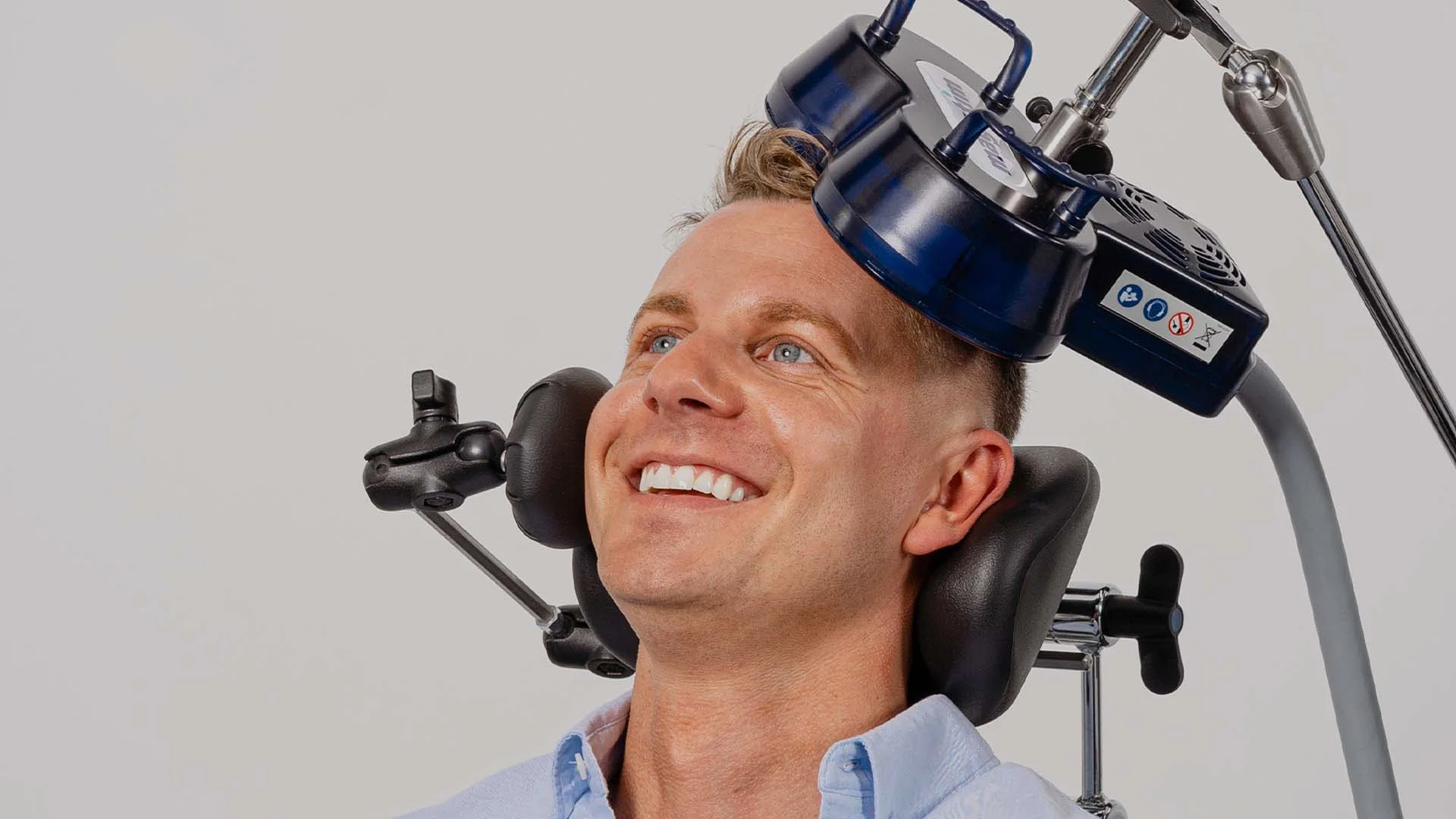
What a session is like
Short visits on the Magstim Horizon TMS system.
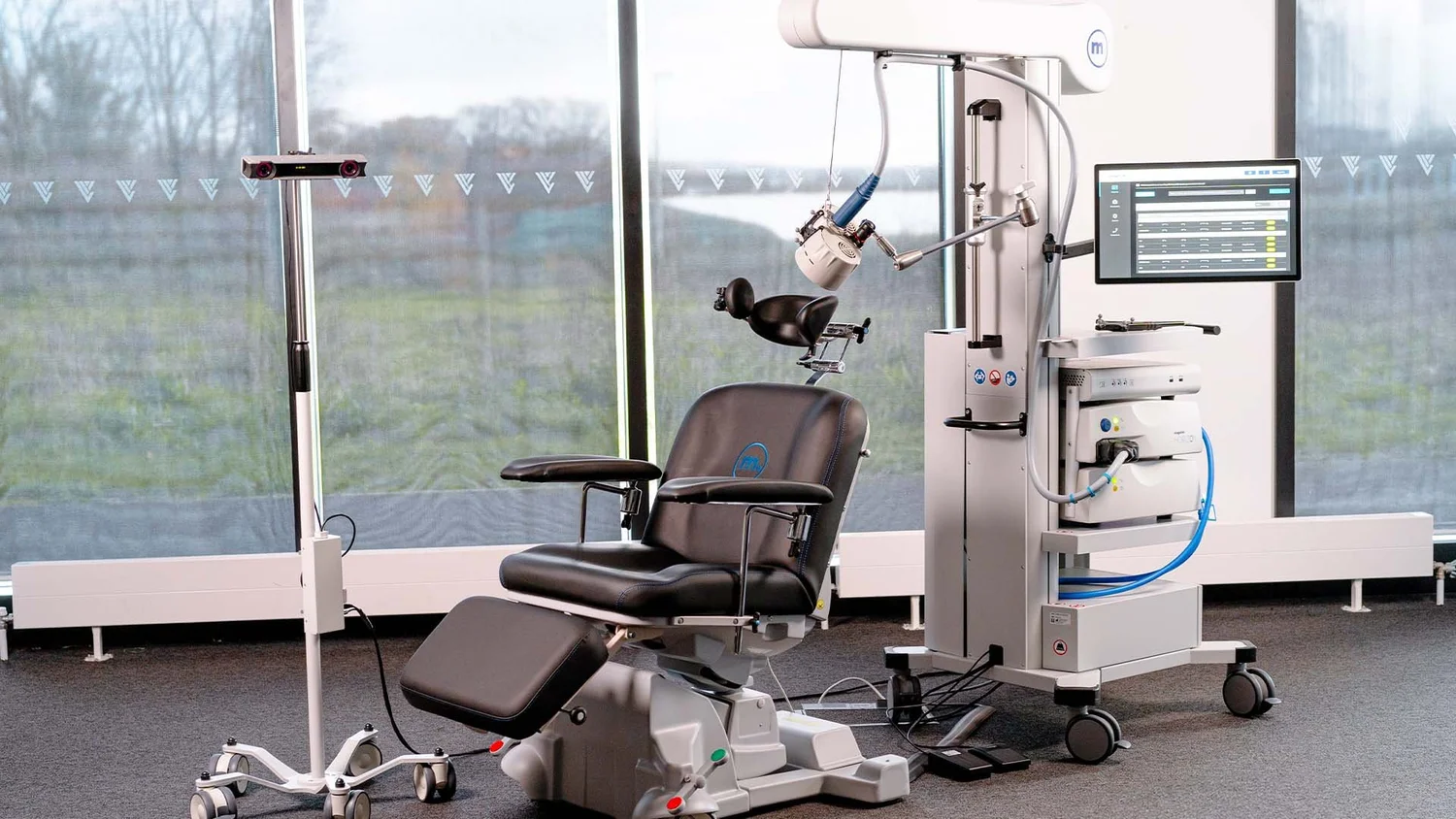
5 to 20 minutes
Each session takes about 5 to 20 minutes. A magnetic coil rests gently against your scalp and delivers precise pulses to the areas tied to mood.
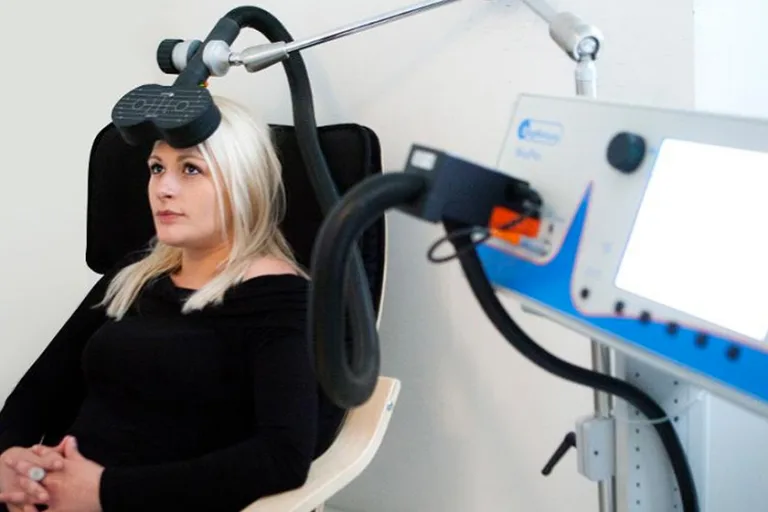
Back to your day
TMS is painless and noninvasive, so you can go straight back to work, errands or home with no downtime.

We handle insurance
We build your treatment plan with our providers, verify your benefits and handle the prior authorization with your insurer, so there is no extra work for you. Self pay options are available.
Why it takes a course of sessions
TMS works by encouraging neuroplasticity, the brain’s capacity to build and reinforce new patterns of activity. Like physical training, that takes repetition: a full course is typically five sessions a week for four to six weeks, and many patients notice changes within the first few weeks.
Covered by insurance
All major insurance, VA, Tricare and Medicare. Cash pay welcome. We verify your benefits for you.
Frequently asked questions
Is TMS covered by insurance?
Yes. All major insurance, VA, Tricare and Medicare.
Will I need anesthesia or sedation?
No. TMS uses focused magnetic pulses, you’re awake throughout and can drive yourself home afterward.
How many sessions does a course of TMS take?
A full course is typically five sessions a week for four to six weeks. Many patients notice changes within the first few weeks.
Who is TMS for?
People with depression that hasn’t lifted with other approaches. It’s FDA-cleared and noninvasive.
From a referring physician
“My patients rave about how they feel with this therapy. For many patients with anxiety, ADHD, pain and other conditions, I found it very helpful to objectively assess EEG abnormalities and communication between different areas of the brain. I also felt relieved that I was able to order a treatment that did not require medication. They provide both diagnostic and therapeutic services for my patients. I feel [the team] provides a quality service that I have not been able to find anywhere else.”
Dr. Davis, Fort Worth
Led by Dr. Brian Forsythe, Board Certified Doctor of Osteopathy
Not sure if this is for you?
Call us, or send a message. Our care team responds within one business day. If you’re in crisis, the 988 Suicide & Crisis Lifeline is available 24/7.